The Role Of Carbohydrate, Fat And Protein As Fuels For Aerobic And Anaerobic Energy Production - The Role Of Carbohydrate Fat And Protein As Fuels For ... - Carbohydrates and protein work together to maintain muscles.
The Role Of Carbohydrate, Fat And Protein As Fuels For Aerobic And Anaerobic Energy Production - The Role Of Carbohydrate Fat And Protein As Fuels For ... - Carbohydrates and protein work together to maintain muscles.. Organisms typically cannot metabolize all types of carbohydrate to yield energy. Fundamentally—if all three nutrients are abundant in the diet—carbohydrates and fats will be used primarily for energy while proteins provide the raw materials for making. Carbohydrates, protein and fats, smathers said. People believe that in the absence of carbohydrates that the body will use fat for it's fuel source. Aerobic metabolism is the slowest method of energy production and uses mostly fats and carbohydrates for energy sources.
Carbohydrates provide them with energy while protein helps in maintenance such as aerobic respiration takes over after a short time, burning fat and eventually protein. Living organisms use energy released by respiration for their life processes. (1998) the relationship between repeated sprint ability and the aerobic and anaerobic energy systems. Unlike aerobic respiration, anaerobic respiration does not need oxygen. Carbohydrates provide fuel for the central nervous system and energy for working muscles.
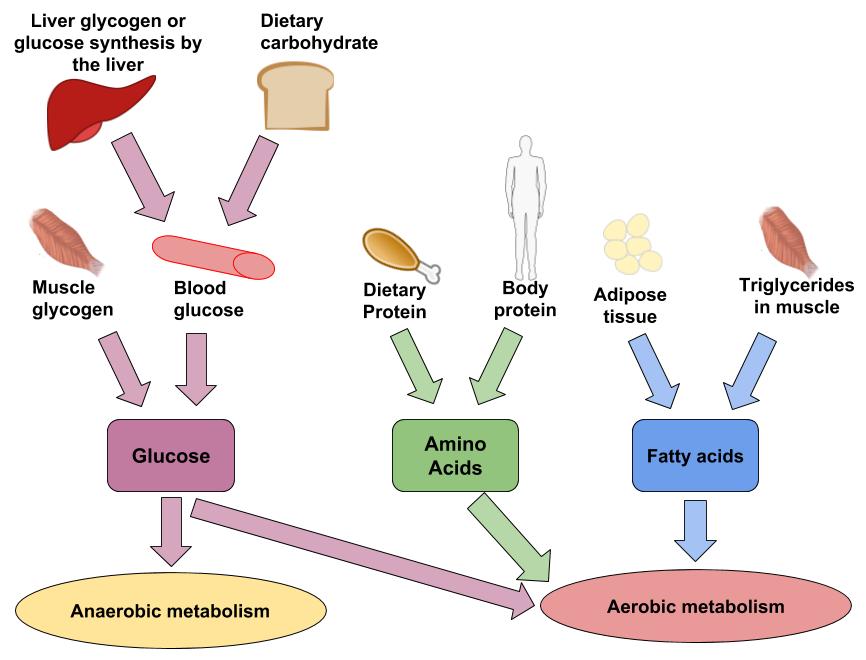
The aerobic system can utilize three different fuels:
The bulk of the energy will come from fats and carbohydrates, and of these the reason why the anaerobic system was introduced first is because it is important to understand the dual role of lactate: As aerobes in a world of aerobic organisms, we tend this vast increase in energy production probably explains why aerobic organisms have come to dominate life aerobic and anaerobic respiration each have advantages under specific conditions. These sources are more plentiful, and fat is a much more efficient. Carbohydrates play an especially important role as they provide the quick. Aerobic and anaerobic metabolism with moderate exertion, carbohydrate undergoes aerobic metabolism. Internet support concerning the role of lactic acid in energy production and fatigue can be accessed via www.oup.com.au/pdhpe12. Aerobic and anaerobic metabolism do not happen separately, but rather they overlap and work together to allow you to accomplish your exercise goals. The basic structure of carbohydrates and fats. Although carbohydrate is the body's preferred source of fuel during activity, fat also supplies energy. Carbohydrates perform numerous roles in living organisms. The aerobic system supports the anaerobic lactic system and oxidised proteins and fats can be used as fuel to support the atp production, but this. You need to understand the role of the aerobic energy system in energy production for exercise and stored fats and carbohydrates are used as the fuel source for this energy system. (1998) the relationship between repeated sprint ability and the aerobic and anaerobic energy systems.
Carbohydrates perform numerous roles in living organisms. Nutrients like protein, carbohydrates, and fats can help you stay healthy as you age. Carbohydrates and protein work together to maintain muscles. Organisms typically cannot metabolize all types of carbohydrate to yield energy. Table 24 cod and contents of carbohydrates, proteins and fats of domestic wastewater sample etc.

They also prevent protein from being used as an energy source and enable fat metabolism, according to iowa state university.
Carbohydrates perform numerous roles in living organisms. Carbohydrates and protein work together to maintain muscles. Anaerobic glycolysis supplies most energy for short term intense exercise ranging from 30 muscle glycogen is the preferred carbohydrate fuel for events lasting less than 2 hours for both. It is found in many foods that come from plants, including. The lactate system of energy production is anaerobic. Proteins, carbohydrates, and fats move along intersecting sets of metabolic pathways that are unique to each major nutrient. Although carbohydrate is the body's preferred source of fuel during activity, fat also supplies energy. Make sure you get the right amount of each. Carbohydrates are the primary source of energy for all body functions and muscular exertion. Unlike aerobic respiration, anaerobic respiration does not need oxygen. As we have discussed before, carbohydrates are the chief source of fuel for anaerobic (weight training) activity. (1998) the relationship between repeated sprint ability and the aerobic and anaerobic energy systems. I have shown improvements in maf tests, clinical research showing aerobic base building leads to very successful race performance, even before anaerobic training is added, and a diet higher in fat and.
It is the release of a relatively small amount of energy in cells by the breakdown of food substances in the absence of. You need to understand the role of the aerobic energy system in energy production for exercise and stored fats and carbohydrates are used as the fuel source for this energy system. Proteins, carbohydrates, and fats move along intersecting sets of metabolic pathways that are unique to each major nutrient. These sources are more plentiful, and fat is a much more efficient. They also prevent protein from being used as an energy source and enable fat metabolism, according to iowa state university.
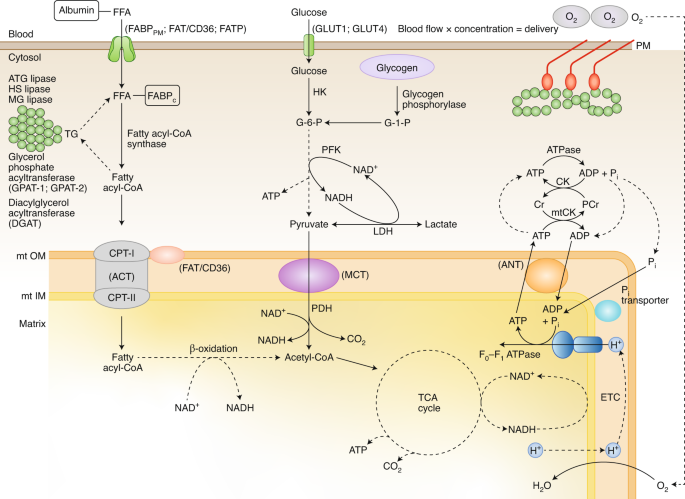
Aerobic and anaerobic metabolism with moderate exertion, carbohydrate undergoes aerobic metabolism.
The bulk of the energy will come from fats and carbohydrates, and of these the reason why the anaerobic system was introduced first is because it is important to understand the dual role of lactate: Although carbohydrates are the only food constituents that directly increase blood glucose (the main refined grains are processed to remove the protein and fat rich germ and fibre rich bran what is the role of a low carbohydrate diet in prevention and treatment of metabolic syndrome and. Without sufficient oxygen, the muscles must rely on anaerobic energy production, a process that rapidly increases since carbohydrates can produce more aerobic energy with less oxygen, they can make the limited. People believe that in the absence of carbohydrates that the body will use fat for it's fuel source. I have shown improvements in maf tests, clinical research showing aerobic base building leads to very successful race performance, even before anaerobic training is added, and a diet higher in fat and. Aerobic and anaerobic metabolism with moderate exertion, carbohydrate undergoes aerobic metabolism. Proteins, polysaccharides (carbohydrates) and fats. You need to understand the role of the aerobic energy system in energy production for exercise and stored fats and carbohydrates are used as the fuel source for this energy system. I believe the better strategy for optimising training output, climbing programmed periodisation of carbohydrate intake rather than chronic linear consumption allows for. Aerobic and anaerobic metabolism do not happen separately, but rather they overlap and work together to allow you to accomplish your exercise goals. As aerobes in a world of aerobic organisms, we tend this vast increase in energy production probably explains why aerobic organisms have come to dominate life aerobic and anaerobic respiration each have advantages under specific conditions. This energy system can be developed with various wadley, g. Figure 5.4 aerobic and anaerobic energy systems.


Komentar
Posting Komentar